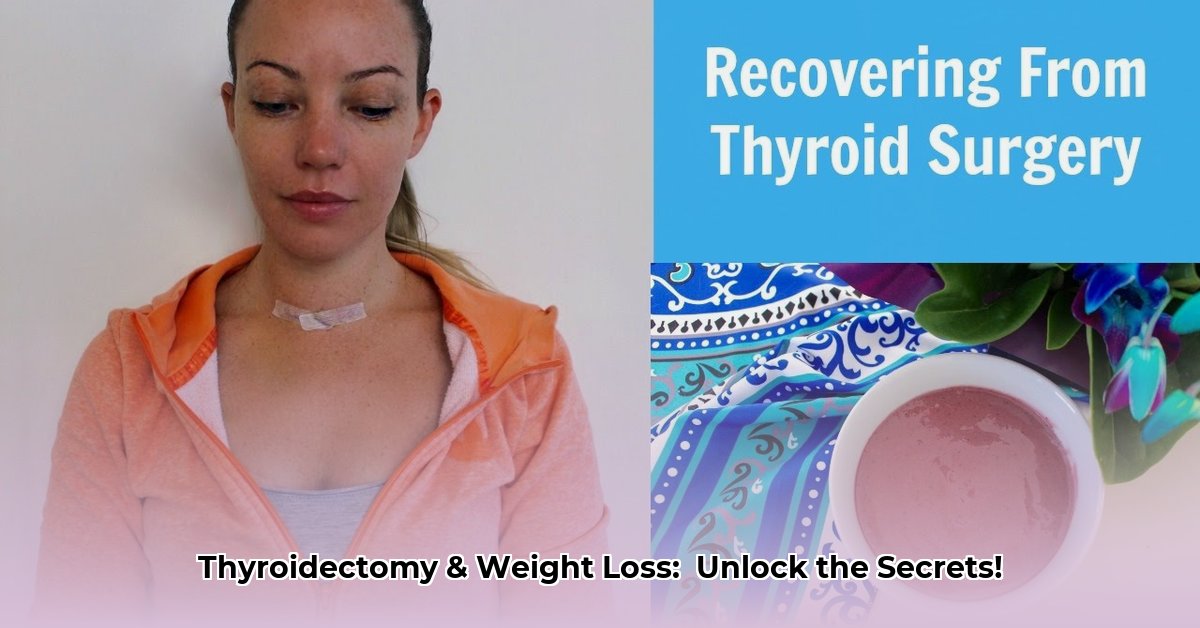
Having a thyroidectomy—surgery to remove all or part of your thyroid gland—can significantly impact your weight. This comprehensive guide clarifies the connection between thyroidectomy and weight changes, offering evidence-based strategies for effective management. Whether you've already undergone the procedure or are considering it, understanding these factors empowers you to take control of your health and well-being.
Understanding the Thyroid's Role in Weight Management
Your thyroid gland produces hormones (like T3 and T4) crucial for regulating your metabolism—the process by which your body burns energy and maintains a stable weight. After a thyroidectomy, your body loses its natural hormone supply, potentially leading to weight fluctuations. This is why hormone replacement therapy (HRT) is typically necessary.
The Importance of Medication and Monitoring
Successful weight management post-thyroidectomy hinges on precisely following your doctor's prescribed HRT regimen. Regular blood tests (measuring TSH, T3, and T4 levels) are essential for fine-tuning your medication dosage and ensuring your hormones remain within the optimal range. Open communication with your doctor is crucial; report any weight changes, energy level shifts, or appetite variations promptly. They will adjust your medication accordingly. Remember, personalized dosages are key; age, other health conditions, and existing medications significantly influence your body's response.
Lifestyle Choices: Diet and Exercise
While medication is vital, lifestyle factors—diet and exercise—play a substantial role in managing weight after a thyroidectomy.
Dietary Recommendations
Prioritize a balanced diet emphasizing fresh fruits, vegetables, and lean proteins. Minimize processed foods, sugary drinks, and unhealthy fats. These dietary changes should be gradual and sustainable, focusing on nourishing your body optimally. Small, consistent alterations yield significant long-term results.
Exercise Guidelines
Regular physical activity is essential. Aim for at least 30 minutes of moderate-intensity exercise most days of the week, incorporating a mix of cardio and strength training. Find activities you enjoy – walking, swimming, or cycling – to ensure adherence. Regular exercise boosts metabolism and contributes to overall well-being. It’s important to remember that exercise is not solely about weight loss; it enhances overall health.
Addressing the Emotional Impact of Weight Change
Weight fluctuations after thyroidectomy can significantly impact self-esteem and body image. Remember, you're not alone in these emotional challenges. Don't hesitate to reach out to your doctor or a therapist for support. It's essential to address both the physical and emotional aspects of weight management post-surgery. A strong support system can be invaluable during this transition.
A Team Approach: Collaboration for Success
Successfully managing your weight after a thyroidectomy requires a collaborative approach. Work closely with your healthcare team, including your endocrinologist and surgeon. They will monitor your hormone levels, adjust your medication, and provide guidance on diet and exercise.
Regular check-ups are vital, not only for weight management but for overall health. Open communication and proactive participation are key to successful, long-term outcomes.
Your Action Plan: A Step-by-Step Guide
This structured approach will guide your journey towards effective weight management:
- Medication Adherence: Strictly follow the prescribed HRT regimen. Inconsistent medication significantly impacts your metabolism and weight.
- Dietary Adjustments: Adopt a balanced diet rich in fresh produce, lean protein sources, and whole grains.
- Regular Exercise: Incorporate at least 30 minutes of moderate-intensity physical activity most days.
- Weight Monitoring: Track your weight regularly and promptly report any significant changes to your doctor.
- Nutrient Deficiency Assessment: Consult your doctor about potential vitamin and mineral deficiencies.
- Registered Dietitian Consultation: A registered dietitian can provide personalized dietary guidance, considering your specific needs and medications.
- Addressing Insulin Resistance: If diagnosed with insulin resistance, collaborate with your doctor to manage it effectively.
Long-Term Strategies and Risk Mitigation
Sustained weight management post-thyroidectomy requires ongoing commitment. Continue with a balanced diet, regular exercise, and regular monitoring. Support groups can provide valuable emotional support and practical advice. Consistent follow-up appointments with your endocrinologist are crucial for long-term success.
| Technology/Factor | Risk Level | Mitigation Strategies |
|---|---|---|
| Incorrect Medication Dosage | High | Precise adherence to prescribed dosage, frequent hormone level checks, close communication with your physician. |
| Poor Diet | Medium | Nutritional counseling, education on food choices, focus on whole foods and balanced meals. |
| Inactivity | Medium | Gradual introduction of exercise, finding enjoyable physical activities, support from healthcare professionals. |
| Medication Interactions | Low | Understanding medication interactions with foods and supplements, careful timing. |
| Insulin Resistance | Medium | Early detection and management through lifestyle adjustments or medication, if necessary. |
Remember, this information serves as a general guide. Consult your healthcare provider for personalized advice tailored to your specific needs and circumstances. Your journey to effective weight management after thyroidectomy is best navigated with the support of your healthcare team.